How to audit your business cell phone bill
Nine checks that find most of what is wrong with a business wireless invoice: zero-use lines, mismatched plans, device payments that should have ended, stale features and roaming nobody closed out.

Short answer. Pull three consecutive invoices, export the line-level detail, then check nine things: zero-use lines, plan fit, device instalments that should have ended, features nobody uses, roaming, one-off charges, taxes and surcharges, contract dates, and every line against a real employee.
What do we need before starting?
- Three consecutive months of invoices, not one — recurring errors hide in a single month
- The line-level detail export, in CSV if the carrier offers it
- A current employee roster from HR
- Your device inventory, if one exists. If not, start with building the inventory instead
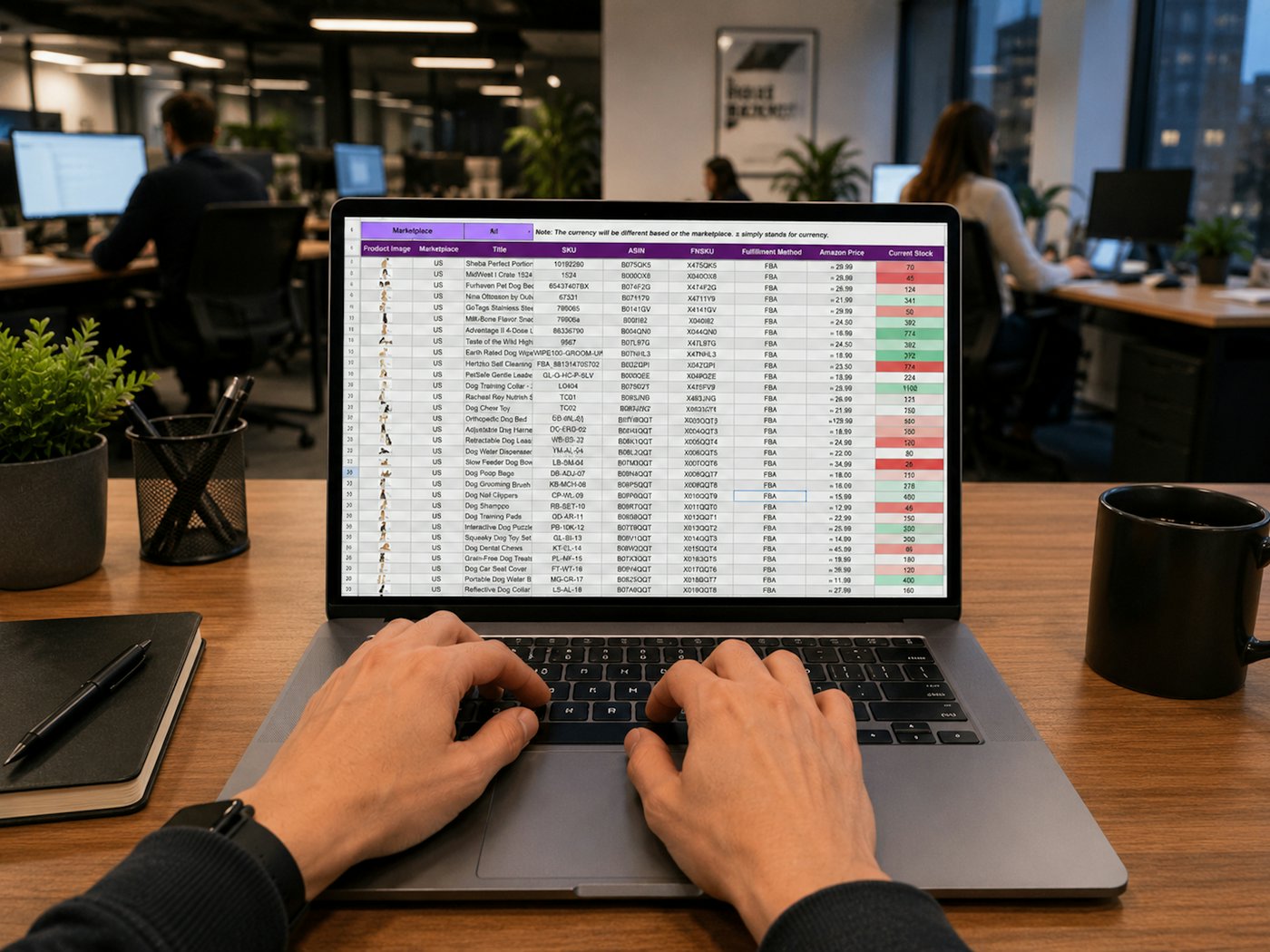
The nine checks
- Zero-use lines. Any line with no voice, text or data for a full cycle. Usually a departed employee, a spare in a drawer, or a tablet nobody claimed.
- Plan fit. Compare actual usage against the plan on each line. Both directions cost money: overage on one, an unlimited plan on a line that sends four texts a month on the other.
- Device instalments. Equipment payment plans have an end date. Check that finished ones actually stopped billing.
- Features and add-ons. Insurance, cloud storage, hotspot allowances and international add-ons bought for a trip in 2023.
- Roaming and international. Charges on lines that never left the country, and day passes still running after the traveller came home. See avoiding roaming charges.
- One-off charges. Activation, upgrade, restocking and late fees. Ask what each one was for; some are reversible.
- Third-party and premium charges. The FCC's guidance on cramming exists because these land on business accounts too.
- Taxes and surcharges. These follow the address on record. A line assigned to the wrong location is taxed at the wrong rate, every month, quietly.
- Line-to-person reconciliation. Every number matched to a named, current employee. This single check usually pays for the afternoon.
How do we read the invoice itself?
Business wireless bills separate the plan, the equipment and the fees into different sections, and a charge can be legitimate in one and duplicated in another. The FCC's guide to understanding your telephone bill is a useful primer on the anatomy before you start disputing anything.

What do we do with what we find?
Two lists. Corrections — errors to dispute, with the invoice date, the line and the amount. Changes — plans to right-size and lines to cancel, which are decisions, not disputes. Then call. The corrections call is usually long, and the changes call is usually longer.
That last step is where most audits die. Finding the money is an afternoon; recovering it is hold time nobody has. It is the reason billing review is part of the department rather than a report we hand over — see what an outsourced mobile department does.
How often should we do this?
Every cycle for the exceptions, and a full audit quarterly. Errors compound: a $40 mistake found in month eleven is an eleven-month conversation with the carrier.
FAQs
How far back can we claim a credit?
That depends on your carrier agreement and the charge in question. Ask for the specific dispute window in writing, then work to it — assume it is shorter than you would like.
Can we audit without the line-level detail?
Only partially. Summary invoices hide zero-use lines and plan mismatches, which are the two checks that find the most.
Who should run the audit?
Whoever can act on the result. An audit nobody has authority to follow up on is a spreadsheet, not a saving.
Does MobileDesk do this for us?
Yes — invoice review every cycle, errors caught and credited back, and a recurring recap of what was recovered. Get started and the first pass comes with the device inventory.